
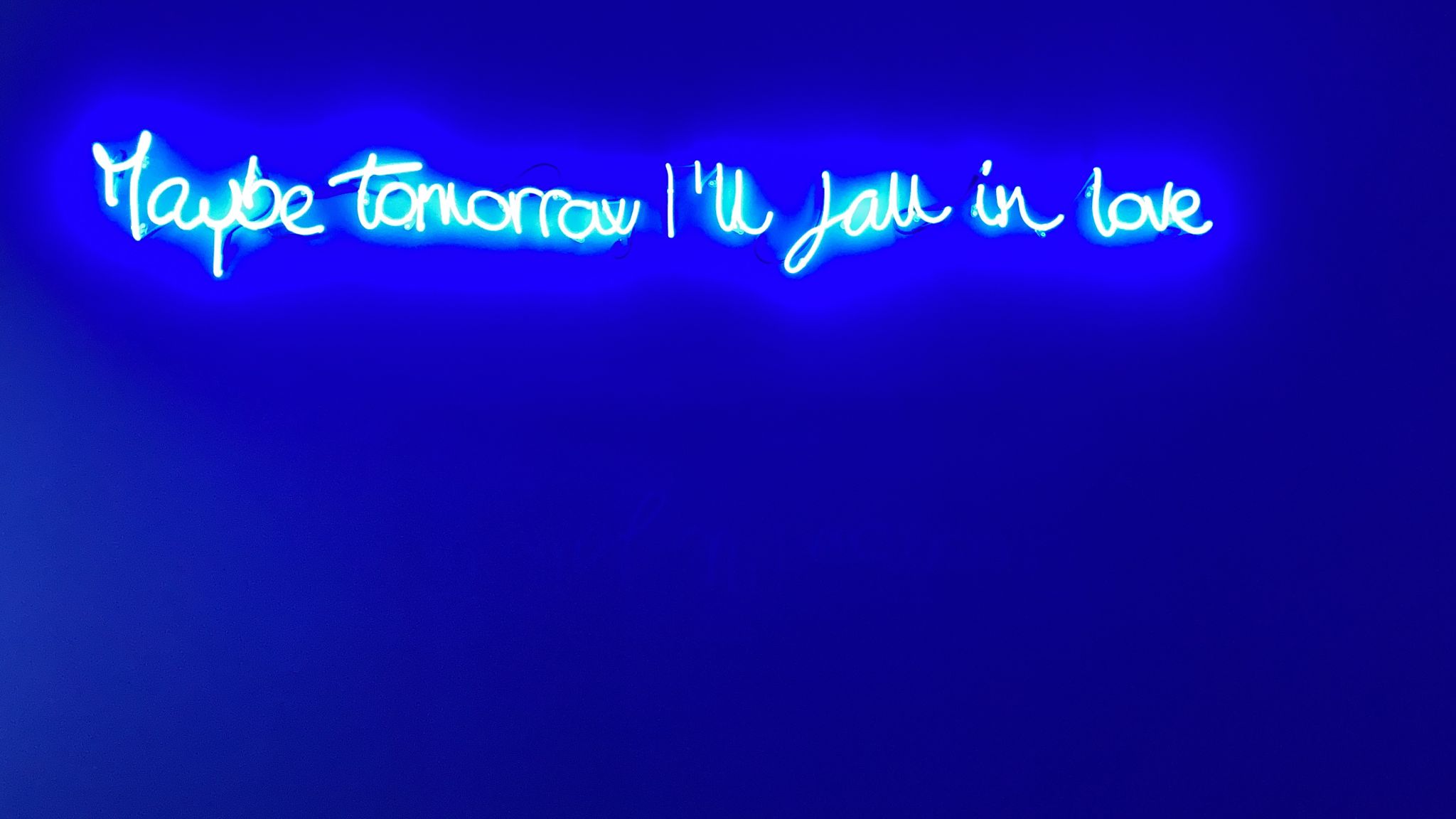
In this interview, Barbara Uccelli reflects on the invisible connections between people, places, memory, and storytelling. Through performance, installation, photography, sculpture, and writing, her practice explores the power of relationships and the ways in which art can transform listening into a shared experience.
1. Throughout your artistic journey, the idea of relationship seems to have become a central thread in your work. When did you realize that these invisible connections between people, places, and memory would become the heart of your practice?
I was on a flight, 10,000 meters above the ground, somewhere over the eastern sky, at an indeterminate hour of the day. I was living in Shanghai for a year, working on projects and exhibitions, when my grandmother died and I decided to fly home for her funeral. I couldn’t sleep during the flight, so I decided to write down an episode from my grandmother’s life, just as she had told it to me.
Before that, I had always tried to make my work cryptic and, looking back, somewhat pretentiously philosophical. Somewhere on that transoceanic flight, I realized that nothing is more cryptic or philosophical than the relationships that weave a life together.
2. In Le relazioni sperimentali (Experimental Relationships), relationships themselves become artistic material. What have you discovered about human nature through this process of research?
I don’t know what I’ve discovered. I know what fascinates me: details. Small details that I remember or imagine. People become attached to things and create memories through details. And the details they choose to describe a situation or a person reveal not only the protagonist, but everyone around them as well.
Le relazioni sperimentali is a book of short stories. Each story revolves around a detail, a name, or a concept that emerges through an image. But it’s important to me that everyone forms their own vision. That’s why I don’t provide detailed descriptions. I use only the words necessary to set the imagination in motion—and then each person completes the story for themselves.
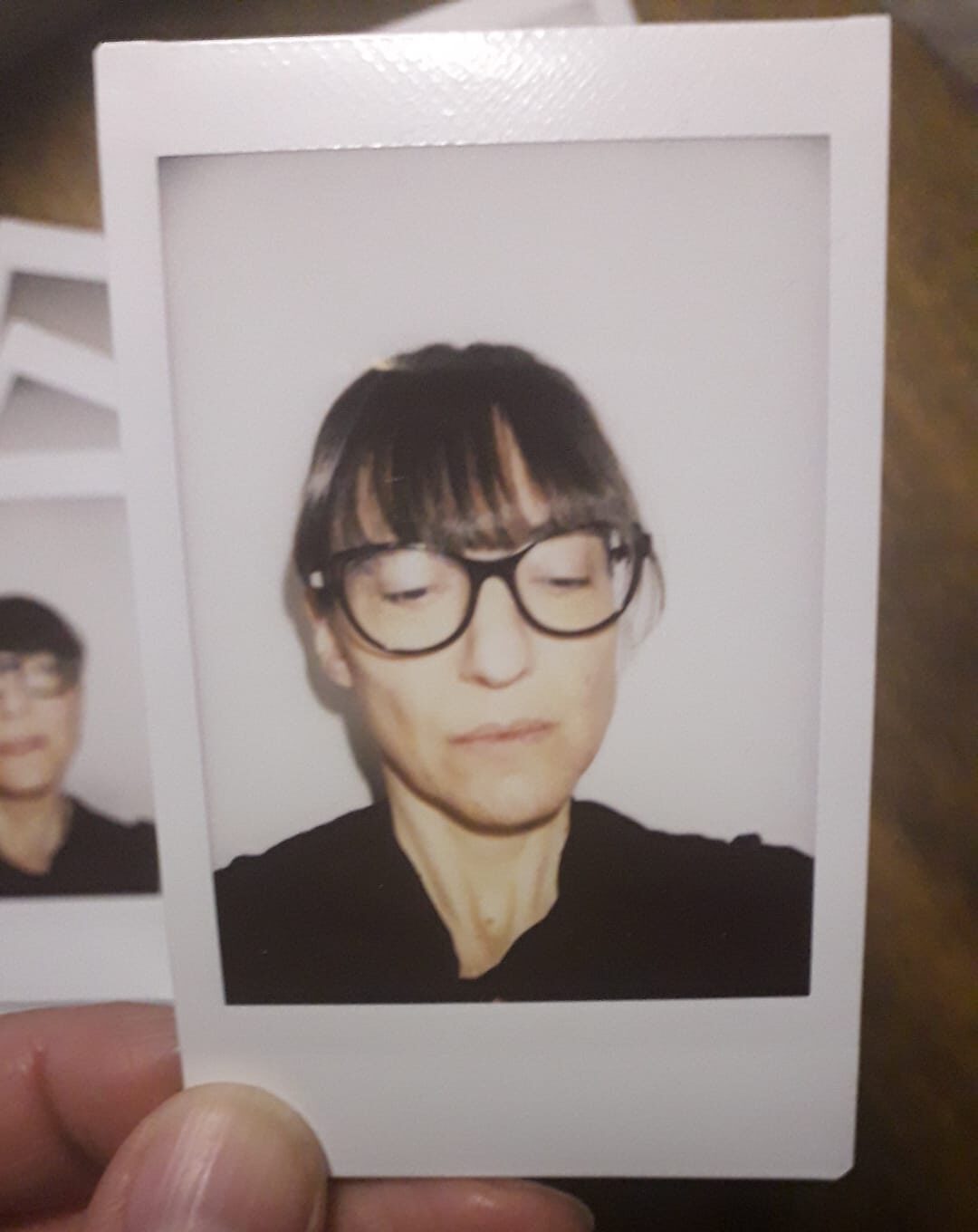
3. Before you create a work, it seems that your process begins with listening. What do you listen to first: a place, a story, the people you encounter, or something that comes from within?
I absorb information. Words, sounds, smells, sensations, places, body temperature… apparently without distinction. I take everything in like a vacuum cleaner.
Then, with time, a single image rises to the surface, and that image becomes the center of everything. I’m a very emotional person. When an image emerges, it overwhelms all of my senses, and the emotions come to the surface. I’m not particularly good at dealing with emotions. Usually, I drown in them.
Then, once I come back up for air, I have enough clarity to understand what to keep and what to let go.
4. Many of your projects emerge from archives, testimonies, stories, and collective memories. How do you transform documentary research into an emotional and poetic experience?
I treat every story as something unique. When you give a story the weight it deserves, poetry emerges naturally, together with the emotions. Between the lines of every story, there is fear, joy, disgust, madness, hope. Everything you tell leaves a memory behind, and it does so through emotion.
My work is a process of extraction. Then I sift through what I’ve found. The grains that remain are the ones I tell.

5. Your work often invites the audience to participate actively. At what point does a viewer stop simply observing and become part of the work itself?
People become part of the work when they decide to care about it. When they make a choice. It doesn’t matter whether they physically do something or not. They can be part of the work in silence, sitting completely still in a chair, even after they’ve already walked away.
If they continue to carry the work with them, then they have become part of it. The viewer becomes part of the artwork and the artwork becomes part of the viewer.
6. In your practice, sustainability is not only about the environment, but also about cultural memory, human relationships, and forms of knowledge that are at risk of disappearing. What responsibility can artists have today in preserving and passing on this heritage?
Heritage is the responsibility of every human being, regardless of what they do for a living. It is a common good. And we need to understand that it is both a right and a responsibility. Our heritage passes through us. It is enriched by every experience.
Perhaps an artist’s role is not only to preserve it, but also to transform it before giving it back. Maybe that is where the responsibility lies: in the transformation.
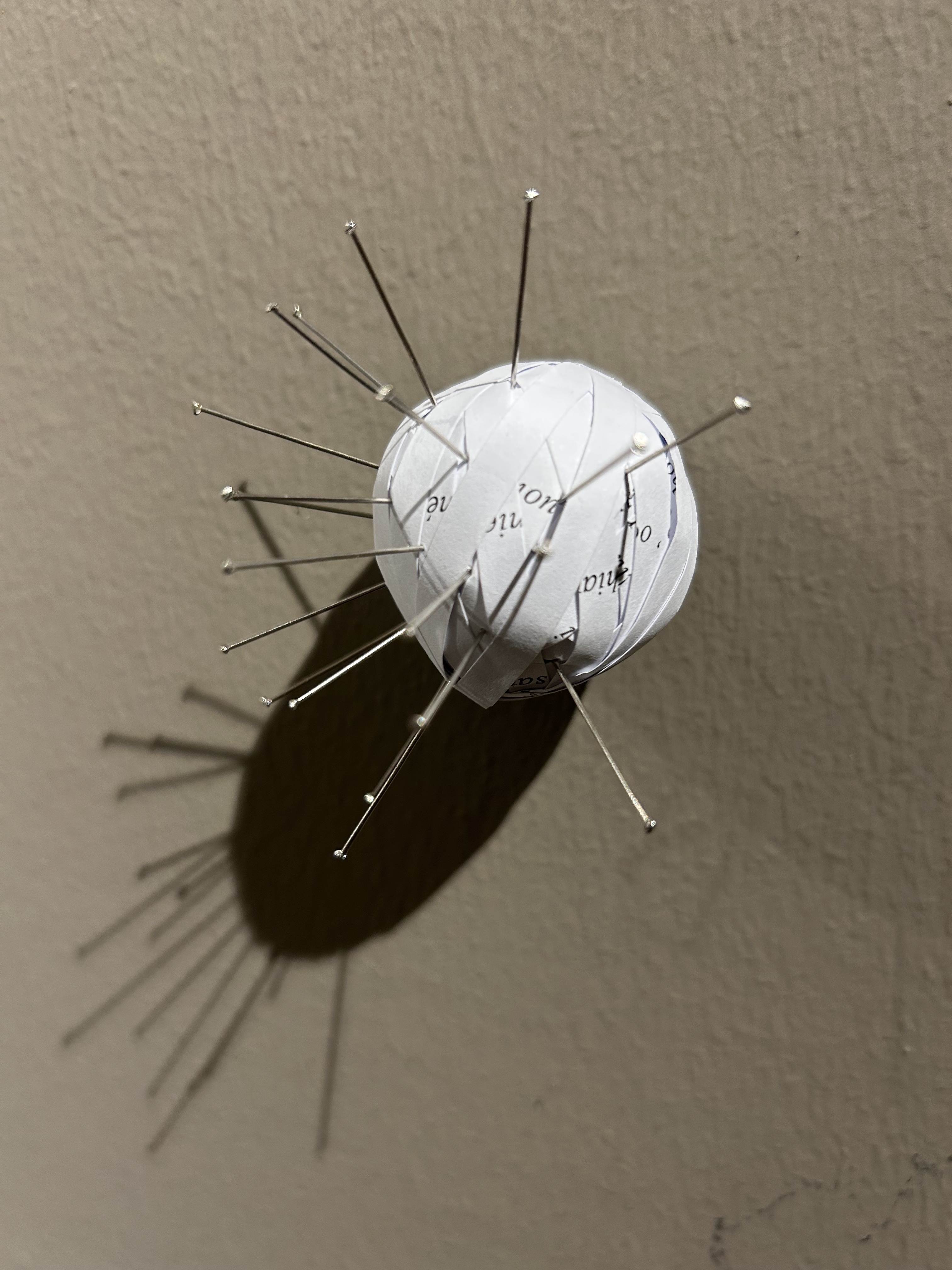
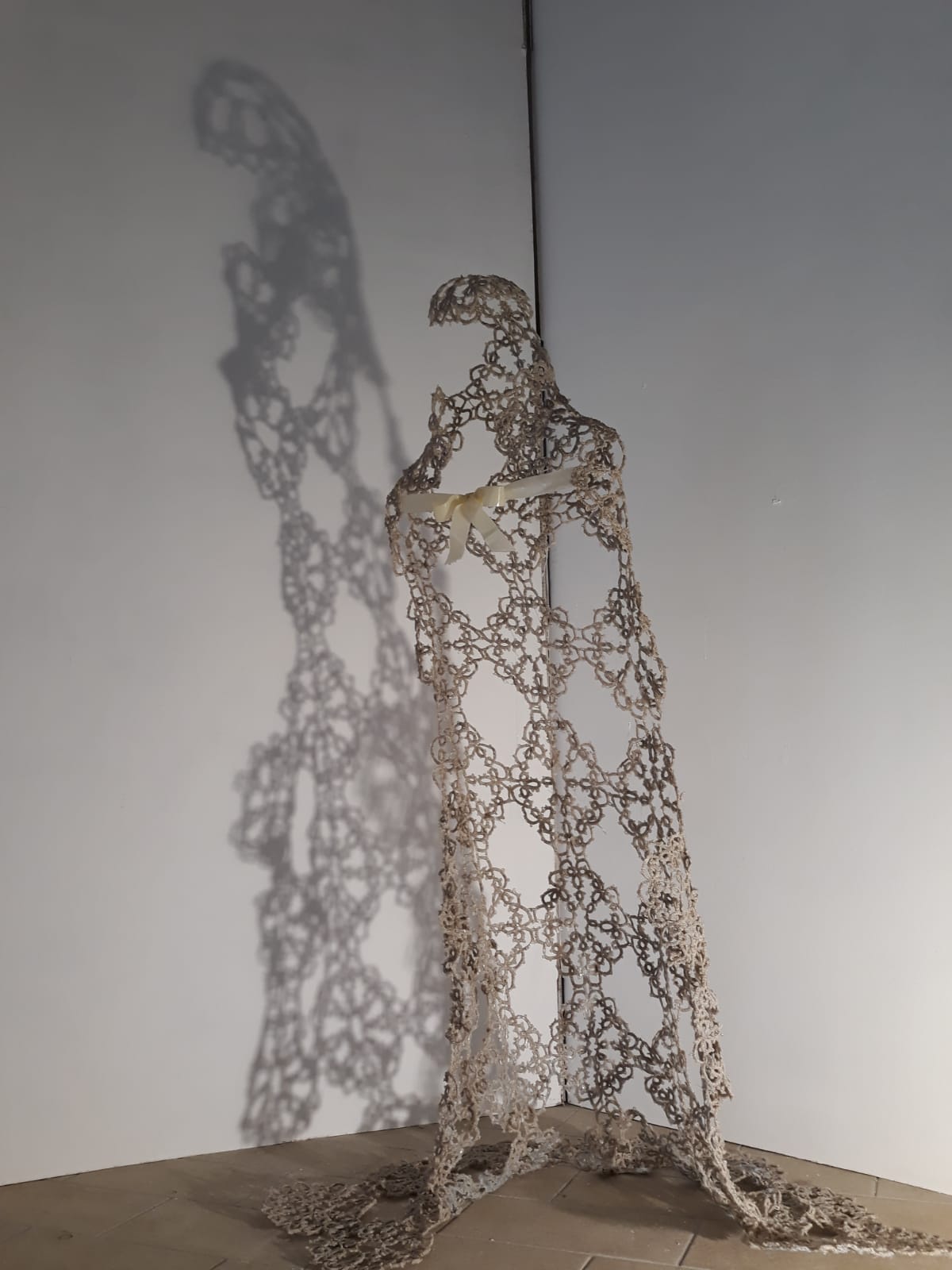
7. Performance, photography, installation, sculpture, and writing all coexist within your practice. Do you see them as different languages, or as different manifestations of a single way of thinking?
The thought itself is one, because it passes through me. I’m always the one processing it. The media are different simply because, each time, I choose the one that is most appropriate for what I need to communicate.
Sometimes that’s performance. Sometimes installation. Sometimes more than one medium at the same time. If you go swimming, you need goggles. If you go into the mountains, you use skis. You try to do your best with the right tools.
That way, you can go farther or deeper.
8. Your work seems to make visible what normally remains hidden. Do you think art should offer answers, or create new questions?
If I say, “offer answers,” I sound arrogant. If I say, “create new questions,” I sound presumptuous. Art is a discipline. I don’t think it actually creates anything. It is human beings who interact with it and give it meaning.
A work of art has value through the person who observes it, interprets it, and makes it their own. So, if you’re looking for questions, you’ll feel connected to a work that creates questions within you. If you’re looking for answers, you’ll focus your attention on works that can offer you some kind of revelation.
9. We live in a society shaped by speed, digital communication, and increasingly fragmented relationships. How can art help us recover attention, empathy, and authentic dialogue?
Whenever people bring up the idea of a society defined by speed, my thoughts immediately go to Bauman’s theory of “liquid society.” Everything flows. Everything is constantly changing, to the point where we can no longer hold on to anything.
But human beings are a social species. We aren’t built for isolation, simply because we can’t survive in isolation. In that sense, art can help restore connections because it brings like-minded people closer together—through exchange, empathy, and the defense of beauty.
10. Joseph Beuys spoke of “Social Sculpture,” imagining art as a force capable of transforming society. How does this idea resonate with your own artistic practice?
I want to believe that the arts can transform society one individual at a time. It is a matter of choice. Each of us has to make choices every day. And we still haven’t understood that the difficult part isn’t necessarily making a choice. It’s living with that choice without regretting it. I interpret the idea of Social Sculpture in this very tangible way: learning how to choose, and not changing shape simply because fashion has changed.
Perhaps my art is in dialogue with transformation in the sense that it allows each person to discover something different depending on the moment in which they encounter it.
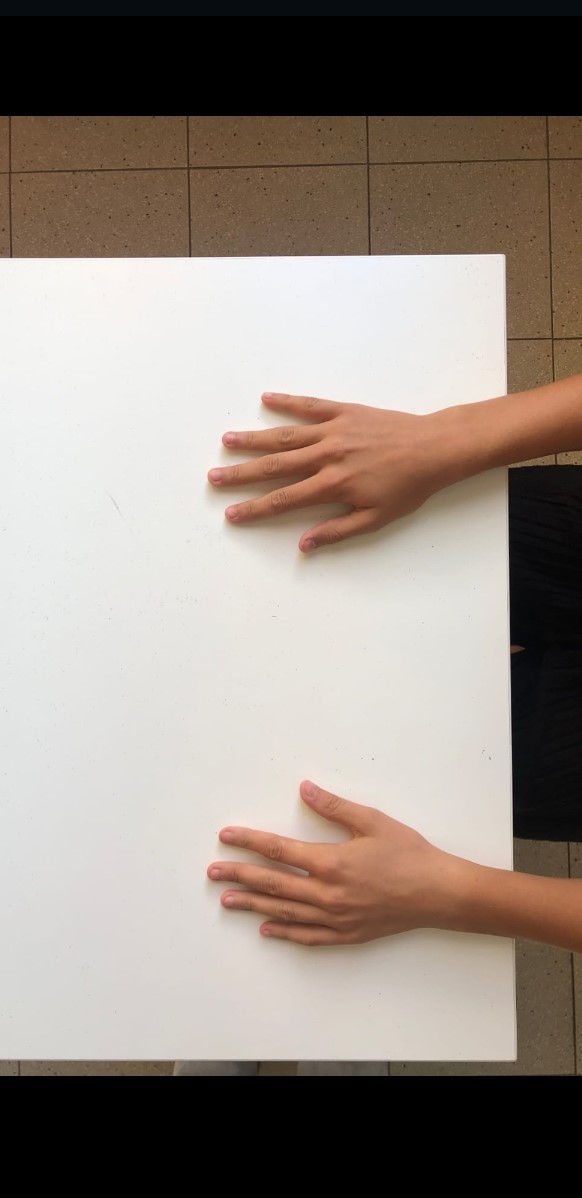
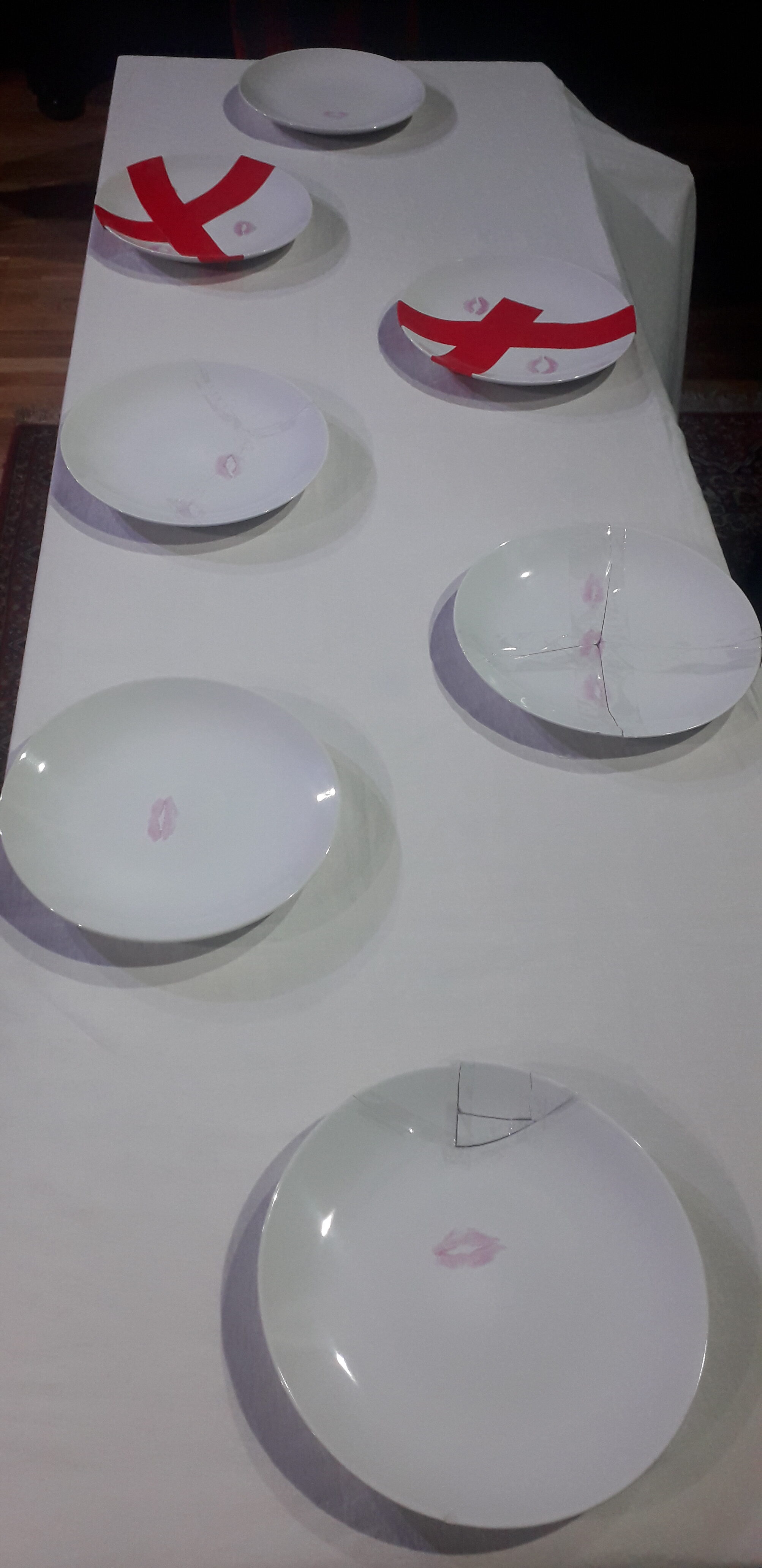
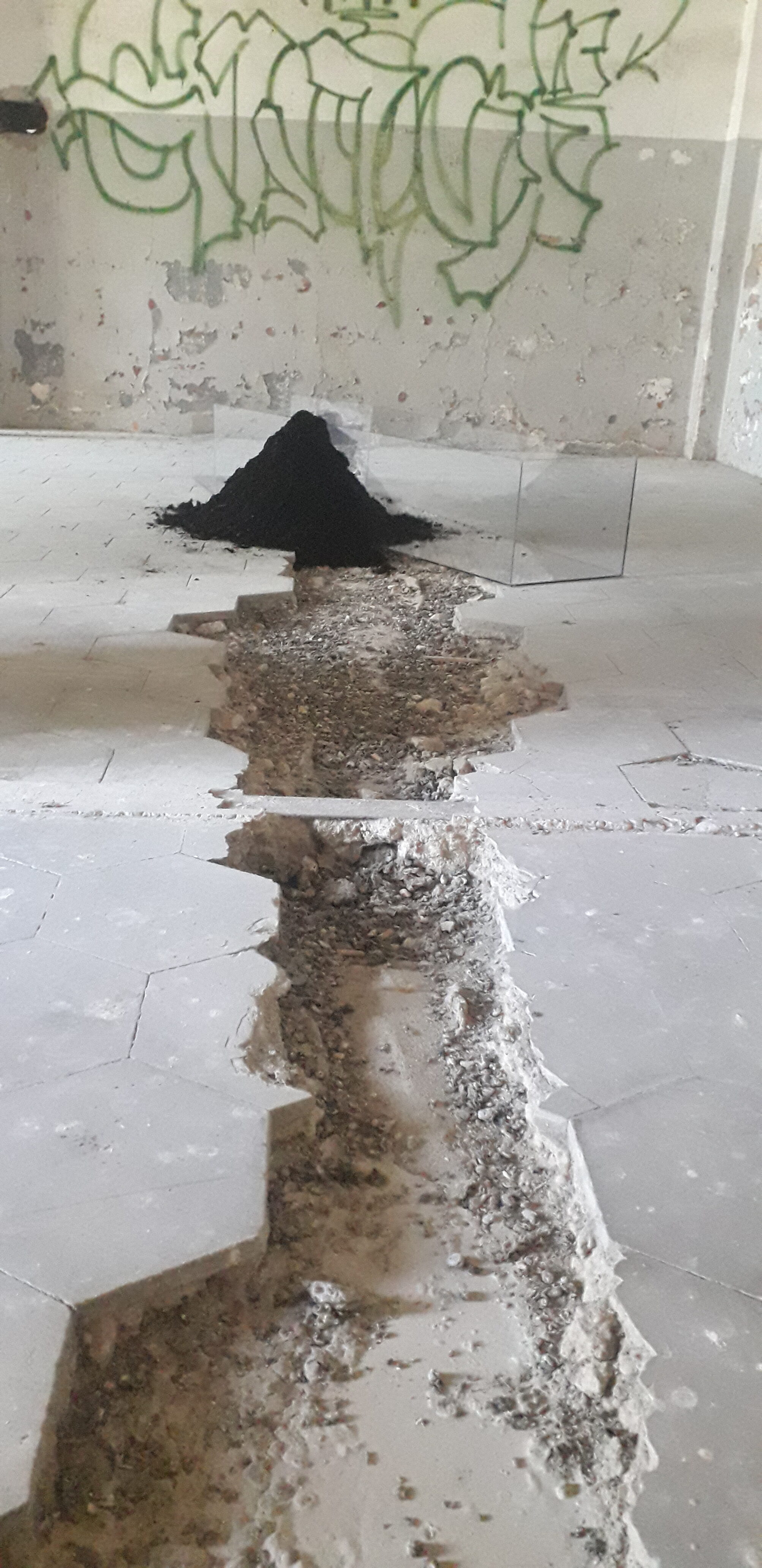
11. Looking back at your journey, was there an encounter, a place, or a project that profoundly changed the way you understand art and your relationship with other people?
My first project connected to genocide. It was the first time I had worked on a subject outside my own personal experience when I opened my eyes to the world.
At first, I thought I wasn’t the right person to do it. Then I realized that was simply an excuse not to engage with it, because it brought me too much pain. There was too much empathy involved in working on genocide.
My first work, 11th Commandment, was a performance in which I wrote on the walls of a gallery the names of places where, over the previous century, massacres, mass killings, and horrific acts against humanity had taken place.
Then I performed. I remained standing, holding another person in my arms until I collapsed. The other person would fall asleep, and I often had to support him. My entire body hurt. But what kept me going for more than four hours were the stories I had read while researching the work, especially the stories of children who had lost everything before they had even had the chance to live.
I repeated their names to myself. Every time the bells rang, every half hour, I would tell myself that I had saved one of them. Maybe two. Maybe four. It took me months to recover from that work.
In that case, the artwork transformed me, its creator, more than it transformed the audience.
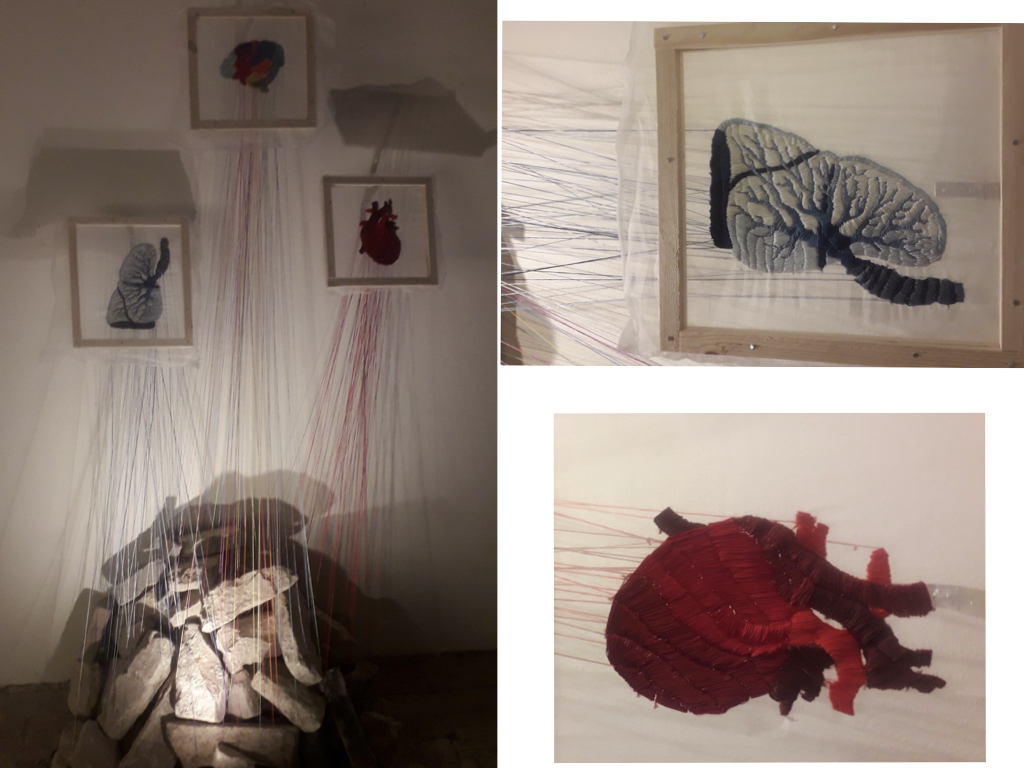
12. Looking back on your experience, what advice would you offer young artists who are searching for their own voice and their own path?
I don’t have any advice. But if you have some for me, I’ll take it. I try to make work that I believe in, because at least then, even when I’m under attack, I’ll still have something left. Something worth defending.
13. One more personal question: wine or beer?
😊 Champagne. And a Martini cocktail.
Interview in original language.
 No products in the cart.